

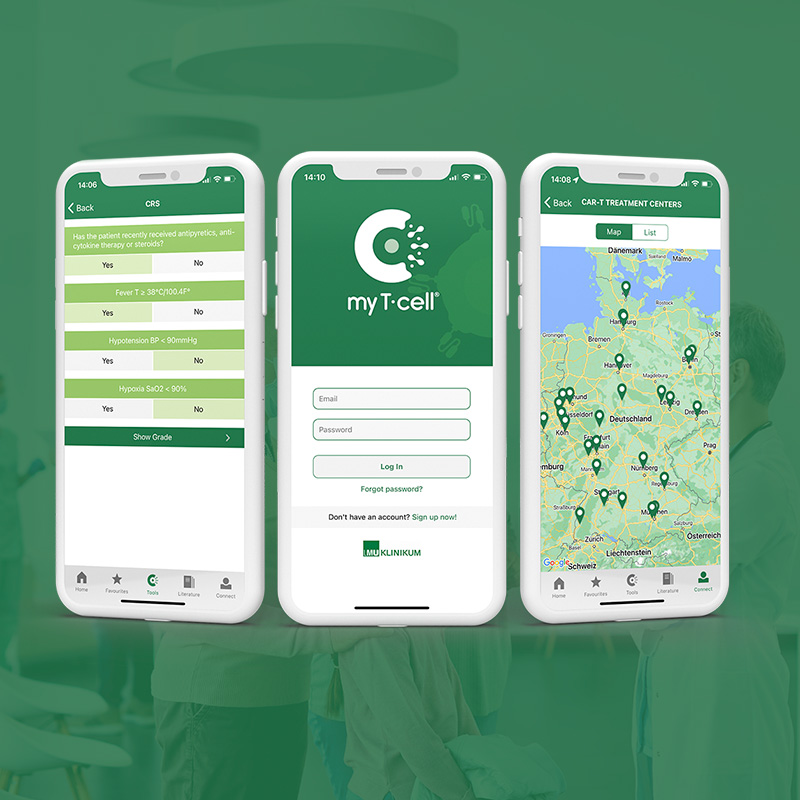
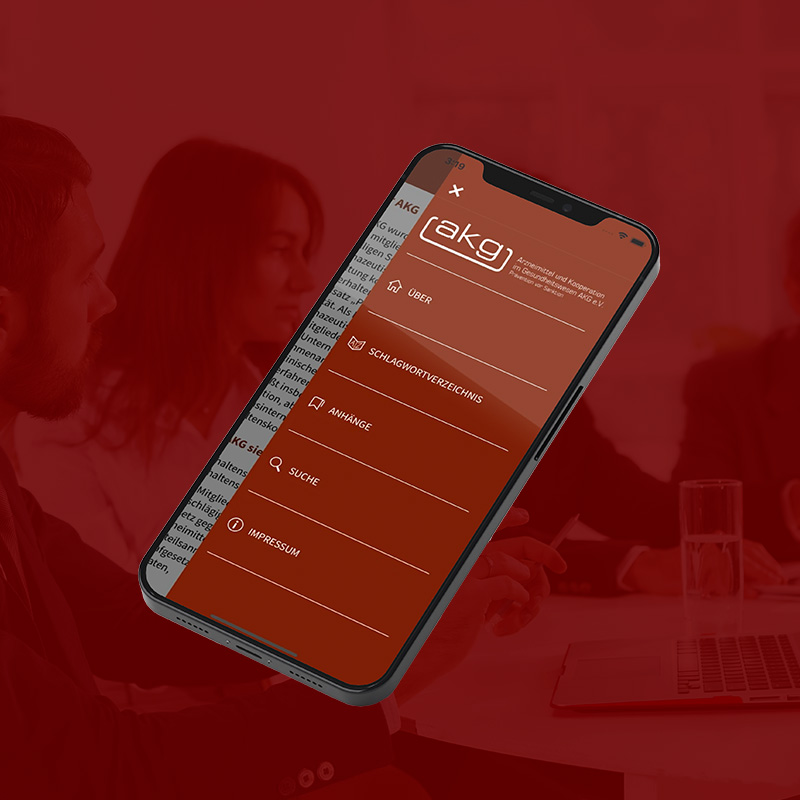
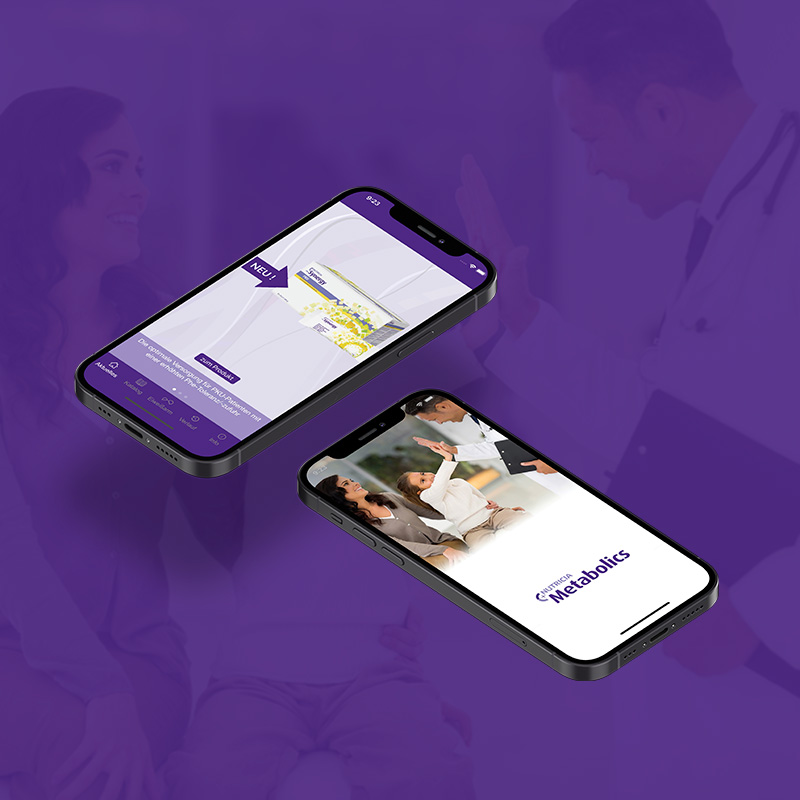
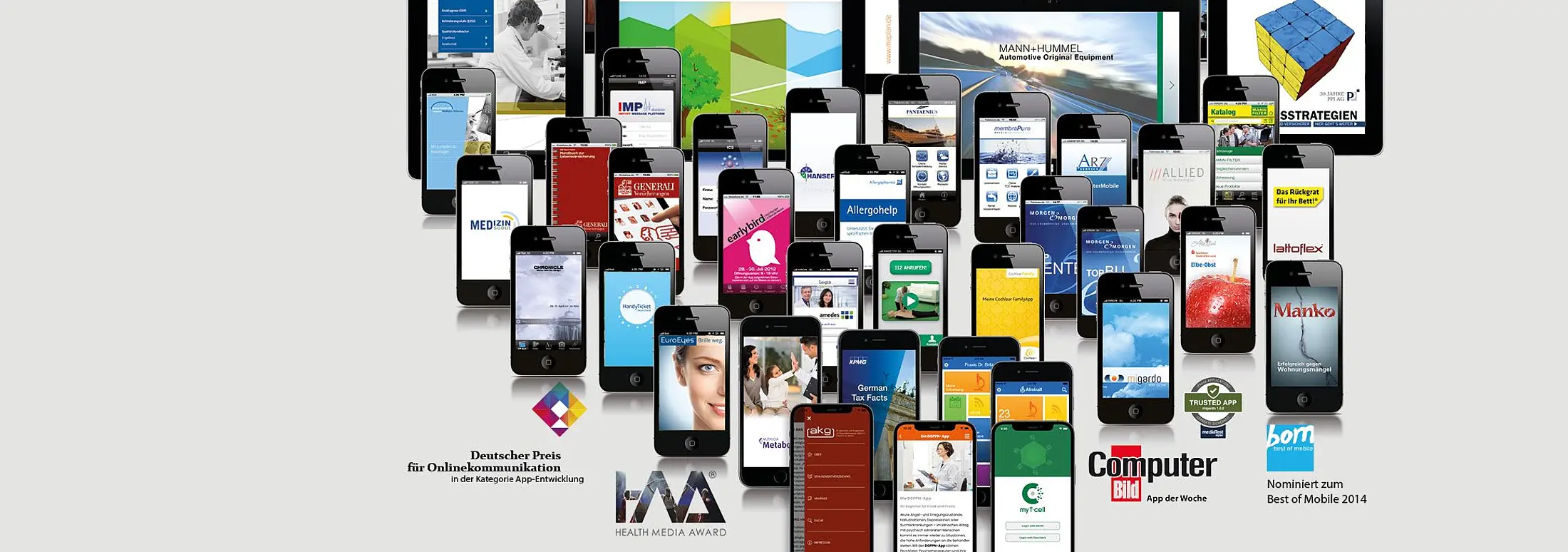
Medical apps are becoming increasingly popular among both patients and doctors. Whether as an aid for the sick to support everyday life, or for questions surrounding treatment decisions – demand is growing, and with it an almost overwhelming range of offerings. But at what point does it become dangerous?
If the app provides direct diagnosis or treatment decisions, it becomes a medical device. In this case, the manufacturer must subject it to a conformity assessment procedure and have it certified in accordance with the Medical Devices Act.
Liability cases are avoidable for manufacturers
If an app is not certified under the Medical Devices Act, it can lead to a liability case if patients suffer harm from using the app. At the start of development, the manufacturer of a medical app must decide the intended purpose (diagnosis, therapy, etc.) for which the application will be developed and released.
Apps with a medical purpose may, under certain circumstances, be subject to the regulatory requirements under the Medical Devices Act (MDR, MPDG). In such a case, the app may only be brought to market once these guidelines have been met.
However, if the manufacturer makes the app available for download without complying with the regulatory requirements, there is a risk that they, and possibly the user (in this case the doctor), could be held liable in the event of problems.
DocCheck
The content of many medical apps is reserved for medical professionals and is therefore often protected by a DocCheck login. DocCheck password protection is an identification service for medical websites, which must be encrypted under the German Therapeutic Products Advertising Act (Heilmittelwerbegesetz). Thanks to DocCheck's wide adoption within medical circles, many practitioners can be reached this way. It also eliminates the need for registration, user management, and user support. Another advantage: DocCheck also provides statistics and reporting tools.